Sometimes you meet
the argument, that the wines of Chateauneuf du Pape from different years don't
differ much in quality. The argument is based on the pleasant climate, where the amount
of sunny hours nearly always are satisfying and where the often heavy rainfalls
are short in time and mostly are quickly neutralised by the mistral. Therefore if
the weather in September makes it possible to pick the grapes in dry periods when
they are matured it's easy to make good wines in the appellation. Furthermore
you can see that the prices at the producers are very constant - they rise a
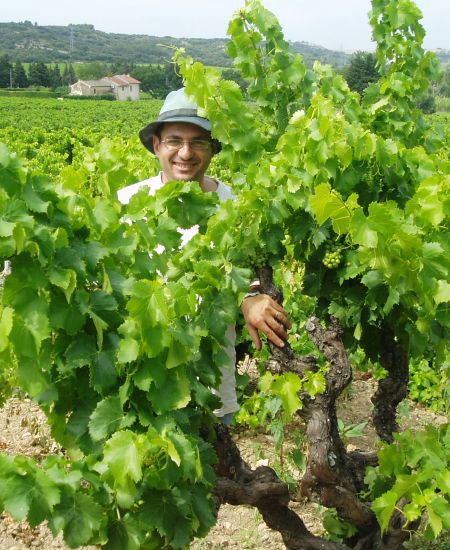
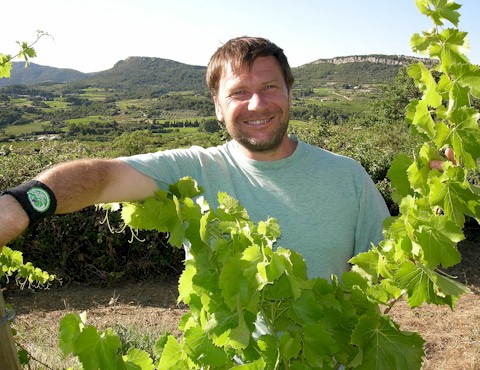
little every year but don't differ much in different vintages. You can also meet the argument that with the modern tecniques available in the vinification process the modern educated wine maker can make good wines every year. Perhaps this argument makes some sense for industrial produced wines, but if you listen to the small but experienced producers in Chateauneuf du Pape you will hear another story. They will tell you that "in the cellar you can't repair the wines but you can easily spoil them" (Gerard Charvin - photo to the right). The essential basis for a good wine is the quality of the grapes when they arrive at the cellar. The real decisive factor behind a good vintage is the weather conditions
through the whole growing season. Of course it's important that the weather in
the harvest season allow the grapes to be picked at the excact right moment but it's
also important that the flowering in spring is succesful and that rain, wind
and sun are present when needed. Too much rain can bring disease. Drought can
result in small grapes and a low yield. It can be difficult to predict how a wine will evolve
after bottling. If a wine is tasted very young (1-3
years old) - and this will be the case if you visit producers and taste the
available wine from barrels or bottles - it's not certain this wine will redeem
its promises some years later. Wine evolves constantly over the years and may surprice
you when you retaste it after some years or some weeks or even next day. The last 20 years has offered two vintages of a very rare quality, 1998 and 2007. |
|